


Clear aligners have changed the way people think about orthodontic treatment. Nearly invisible, removable, and comfortable, they’re often seen as a modern alternative to traditional metal braces. But with popularity comes confusion. Many patients wonder: Do clear aligners really work, or are they just a cosmetic trend?
The short answer is yes, clear aligners do work, but only when used correctly and for the right cases. In this blog, we’ll break down the most common myths and facts about clear aligners, explain how they work, and help you understand whether they’re the right choice for you.
What Are Clear Aligners?
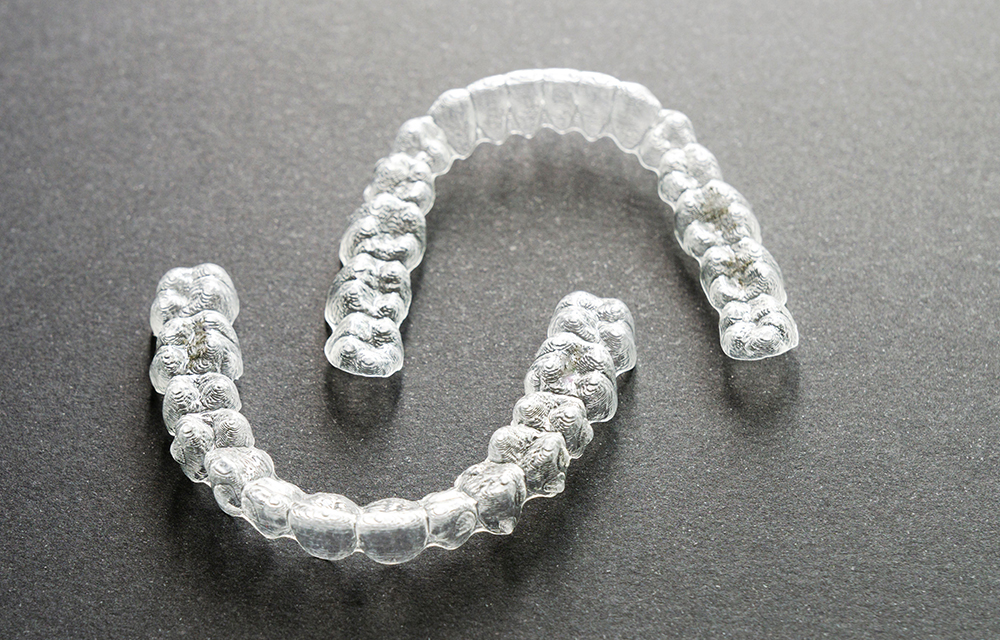
Clear aligners are custom-made, transparent trays designed to gradually move teeth into proper alignment. Each set of aligners is worn for a specific period, gently applying controlled pressure to shift teeth step by step.
Unlike traditional braces:
- They are removable
- They are nearly invisible
- They don’t use wires or brackets
Treatment is carefully planned in advance, and patients move through a series of aligners until the desired results are achieved.
Myth 1: Clear Aligners Don’t Work as Well as Braces
Fact: Clear aligners are highly effective for many orthodontic problems.
Clear aligners can successfully treat:
- Mild to moderate crowding
- Gaps between teeth
- Crooked or rotated teeth
- Certain bite issues
For complex orthodontic cases, traditional braces may still be recommended. However, for the right candidate, aligners can deliver results that are just as effective as braces.
Myth 2: Clear Aligners Are Only for Cosmetic Purposes
Fact: Clear aligners improve both appearance and function.
While aligners do improve smile aesthetics, they also:
- Improve bite alignment
- Make cleaning teeth easier
- Reduce uneven tooth wear
- Support long-term oral health
Properly aligned teeth are easier to clean, reducing the risk of cavities and gum disease.
Myth 3: You Can Wear Aligners Only at Night
Fact: Aligners must be worn 20–22 hours a day.
This is one of the most common misunderstandings. Clear aligners only work when worn consistently.
They should be removed only for:
- Eating and drinking (except water)
- Brushing and flossing
Inconsistent wear can delay treatment or prevent results entirely.
Myth 4: Clear Aligners Work Instantly
Fact: Clear aligners work gradually, not overnight.
Like any orthodontic treatment, aligners take time. Treatment duration varies depending on:
- Severity of misalignment
- Patient compliance
- Individual tooth movement response
Most treatments range from 6 to 18 months, with visible improvements often appearing within the first few months.
Myth 5: Clear Aligners Are Pain-Free
Fact: Mild discomfort is normal, especially with new aligners.
When switching to a new set of aligners, you may feel:
- Pressure on teeth
- Mild soreness for a day or two
This is a sign that the aligners are working. The discomfort is usually much less than with traditional braces and fades quickly.
Myth 6: Clear Aligners Are Suitable for Everyone
Fact: Not everyone is an ideal candidate.
Clear aligners are best suited for:
- Mild to moderate alignment issues
- Patients committed to wearing them consistently
- Adults and responsible teenagers
Severe bite problems or complex jaw issues may require alternative orthodontic treatments.
Myth 7: You Don’t Need Dental Supervision
Fact: Professional supervision is essential.
Clear aligner treatment should always be planned and monitored by a dental professional. This ensures:
- Proper diagnosis
- Safe tooth movement
- Healthy gums and roots
- Long-term stability
Without professional oversight, aligners may lead to poor results or dental complications.
How Clear Aligners Actually Work
Clear aligners work through a carefully designed treatment plan:
- A detailed dental assessment is performed
- Digital planning maps out tooth movement
- A series of aligners are created
- Each aligner moves teeth slightly
- Regular follow-ups ensure progress
This controlled, step-by-step approach is what makes aligners effective.
Benefits of Clear Aligners
Clear aligners offer several advantages:
- Nearly invisible appearance
- Removable for eating and cleaning
- No food restrictions
- Easier oral hygiene
- Smooth, comfortable design
These benefits make them especially popular among working professionals and adults.
Responsibilities of the Patient
Clear aligners require discipline. For the best results, patients must:
- Wear aligners as prescribed
- Keep them clean
- Maintain good oral hygiene
- Attend follow-up appointments
Aligners are a partnership between the treatment plan and the patient’s commitment.
What Happens After Treatment?
After aligner treatment is complete, retainers are usually required to:
- Maintain tooth alignment
- Prevent teeth from shifting back
Wearing retainers as advised is crucial for long-term success.
Final Verdict: Do Clear Aligners Really Work?
Yes; clear aligners really do work when:
- The case is suitable
- Treatment is professionally planned
- Aligners are worn consistently
They are not a shortcut or a cosmetic trick. They are a scientifically designed orthodontic solution that can deliver excellent results when used correctly.
Conclusion: Make an Informed Choice
Clear aligners have transformed orthodontic care by offering a discreet and comfortable option for straightening teeth. Understanding the myths and facts helps you set realistic expectations and make the right decision for your smile.
If you’re considering clear aligners, the best next step is a professional consultation to determine whether they are right for your dental needs.