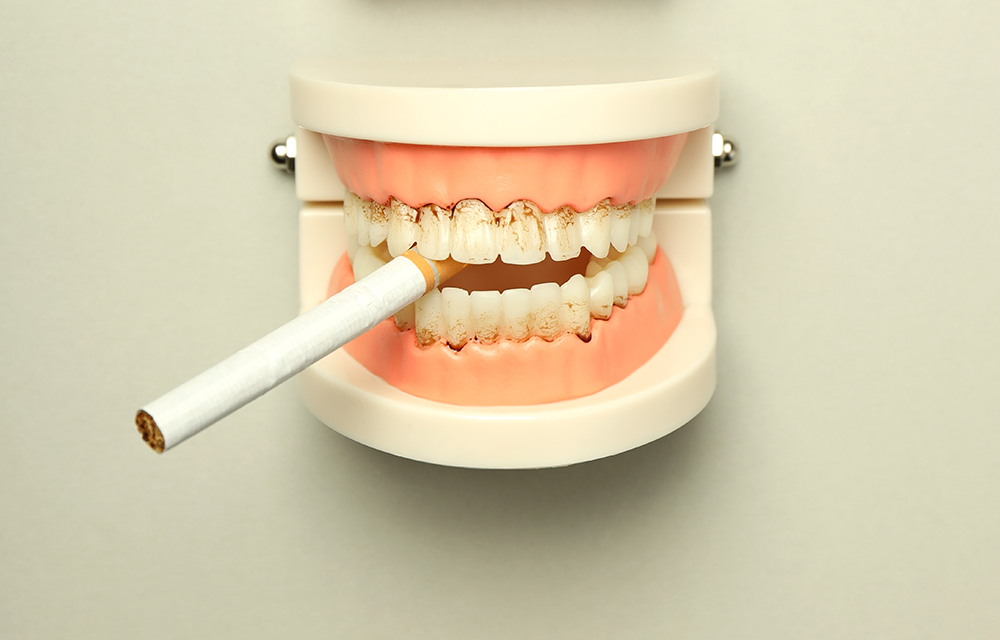


Smoking is widely known for harming the lungs and heart, but its impact on oral health, especially the gums, is often underestimated. One of the strongest risk factors for gum disease is tobacco use, whether through cigarettes, bidis, cigars, or smokeless tobacco. If you smoke, your gums are under constant attack, often without obvious early warning signs.
This article explains how smoking increases your risk for gum disease, what happens inside the mouth, and why quitting (or cutting down) can dramatically improve your oral health.
What Is Gum Disease?
Gum disease, also known as periodontal disease, is an infection of the tissues that support your teeth. It usually starts with gingivitis, a mild form that causes redness and bleeding, and can progress to periodontitis, a severe condition that damages bone and can lead to tooth loss.
The main cause is plaque, a sticky layer of bacteria that builds up on teeth. Smoking makes it much easier for plaque to thrive and much harder for your body to fight it.
How Smoking Damages Your Gums
-
Reduced Blood Flow to the Gums
Smoking narrows blood vessels and reduces oxygen supply to gum tissue. Healthy gums need good blood circulation to heal and defend against infection. When blood flow is restricted:
- Healing becomes slower
- Infections progress more easily
- Gum tissue becomes weaker over time
This is one reason smokers often don’t notice early gum disease, it’s literally being masked.
-
Weakened Immune Response
Your immune system is your body’s defense against bacteria. Smoking suppresses immune function, making it harder to fight the bacteria that cause gum infections.
As a result:
- Plaque bacteria multiply faster
- Infections spread deeper into gum tissue
- Recovery from gum disease is slower
Smokers are significantly more likely to develop advanced gum disease than non-smokers.
-
Masked Warning Signs
One of the most dangerous effects of smoking is that it hides symptoms.
Normally, early gum disease causes:
- Bleeding while brushing
- Red or swollen gums
In smokers, reduced blood flow often means less bleeding, even when disease is present. This delay in visible symptoms allows gum disease to progress silently until it becomes severe.
-
Increased Plaque and Tartar Build-Up
Smoking changes the environment inside the mouth, making it easier for plaque to stick to teeth and harden into tartar.
This leads to:
- Faster plaque accumulation
- Deeper gum pockets
- Greater risk of infection below the gumline
Once tartar forms, it cannot be removed by brushing alone and requires professional cleaning.
-
Higher Risk of Bone Loss and Tooth Loss
In advanced gum disease, bacteria destroy the bone that supports teeth. Smoking accelerates this process by:
- Reducing bone healing capacity
- Increasing inflammation
- Weakening the attachment between teeth and bone
Over time, this can result in loose teeth and eventual tooth loss.
Smoking and Treatment Failure
Smoking doesn’t just increase the risk of gum disease, it also reduces the success of treatment.
Smokers often experience:
- Slower healing after deep cleaning or gum surgery
- Higher chances of disease recurrence
- Less predictable treatment outcomes
This means gum disease in smokers is often more aggressive and harder to control.
What About Smokeless Tobacco and Vaping?
- Smokeless tobacco can irritate gums, cause recession, and increase infection risk where the product is placed.
- Vaping may reduce smoke exposure, but nicotine still restricts blood flow and affects healing.
Nicotine, regardless of the delivery method, is harmful to gum health.
Signs of Gum Disease Smokers Should Watch For
Because symptoms may be subtle, smokers should be extra alert to:
- Persistent bad breath
- Gums pulling away from teeth
- Sensitivity at the gumline
- Loose teeth
- Pus between gums and teeth
If you notice any of these signs, prompt dental evaluation is essential.
Can Quitting Smoking Improve Gum Health?
Yes; absolutely.
After quitting smoking:
- Blood flow to gums improves
- Healing response strengthens
- Treatment success rates increase
- Risk of further gum damage decreases
Former smokers often respond to gum treatment almost as well as non-smokers over time. The sooner you quit, the more damage you can prevent.
How to Protect Your Gums If You Smoke
If you currently smoke, these steps can help reduce damage:
- Brush twice daily with fluoride toothpaste
- Floss every day to remove plaque between teeth
- Schedule regular dental check-ups and cleanings
- Be honest with your dentist about tobacco use
- Consider smoking cessation support
Professional monitoring is especially important for smokers, as gum disease can progress faster and more quietly.
Smoking is one of the strongest and most preventable risk factors for gum disease. It weakens the immune system, reduces blood flow, hides symptoms, and makes treatment less effective. The result is a much higher risk of gum infection, bone loss, and tooth loss.
Protecting your gums starts with awareness, and the most powerful step you can take is to reduce or quit smoking. Combined with good oral hygiene and regular dental care, this decision can make a lasting difference to your smile and overall health.